Lidia Moss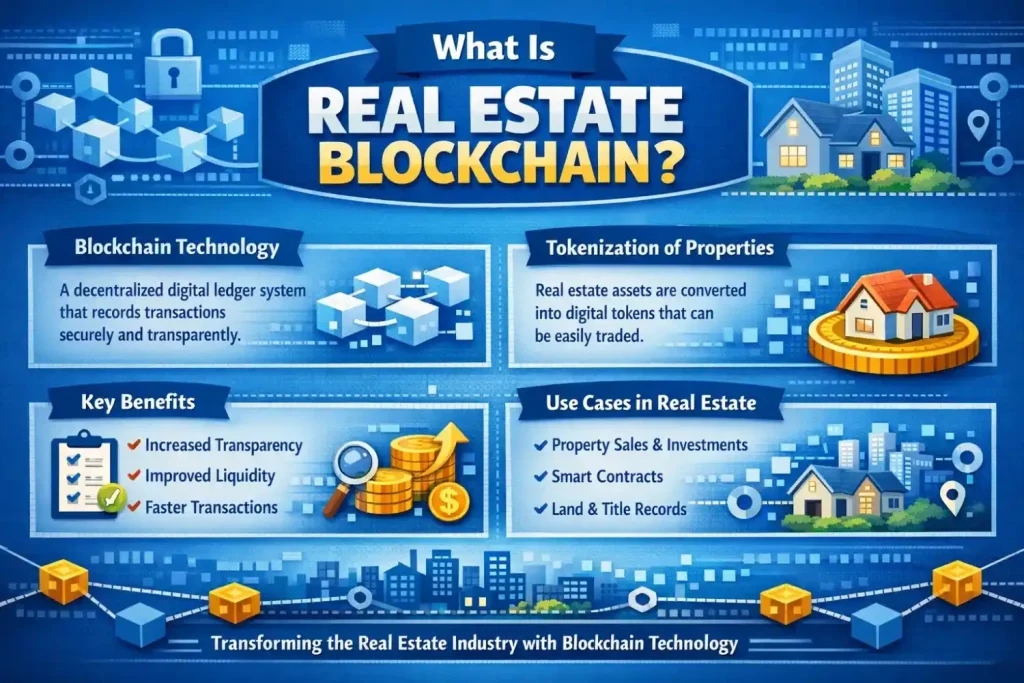
Picture this: you’re scrolling through your phone, and you see an opportunity to own a tiny slice of a Manhattan apartment building. Not a REIT. Not a fund. Actual, direct ownership — or something close to it — for, say, fifty bucks. Sounds like a fantasy, right? Well, honestly, it’s not. That’s the promise of real-world asset tokenization, and it’s quietly reshaping who gets to play in the big leagues of investing.
For decades, the wealthiest investors have had a lock on the best assets. Commercial real estate, fine art, private equity, even vintage wine collections. The rest of us? We watched from the sidelines. But tokenization is kicking that door open — and small-scale investors are walking through it.
So, What Exactly Is Real-World Asset Tokenization?
Let’s break it down without the jargon. Real-world assets — or RWAs — are physical or traditional financial things: buildings, gold bars, invoices, farmland, you name it. Tokenization means putting those assets on a blockchain and dividing them into digital tokens. Each token represents a piece of the underlying asset.
Think of it like slicing a pizza. Before, you had to buy the whole pie. Now? You can grab one slice. And if you want to sell that slice later, you can — often in minutes, not months.
That’s the core idea. Simple enough, right? But the implications are massive.
Why Small Investors Are Suddenly Paying Attention
Here’s the deal: traditional investing in big-ticket assets has always come with brutal barriers. High minimums. Illiquidity. Gatekeepers. Tokenization chips away at all three.
- Lower entry points: Instead of needing $50,000 for a real estate down payment, you might start with $50 or $100.
- Better liquidity: Selling a token is way faster than selling a house. No realtors, no closing costs, no waiting.
- Fractional ownership: You can diversify across multiple assets — a bit of real estate, some art, a chunk of a solar farm.
- Transparency: Blockchain records are public. You can verify ownership and transaction history.
And sure, it’s not all sunshine. There are risks. But for many small investors, the trade-off feels worth exploring.
The Pain Points Tokenization Actually Solves
Let’s get real for a second. Why does this matter now? Because inflation has been eating away at savings. Because traditional savings accounts pay peanuts. Because younger investors — millennials and Gen Z — are skeptical of old-school financial systems.
Tokenization offers an alternative. Not a perfect one, but a compelling one. It lets you own assets that historically generated wealth for the already-wealthy. That’s a big shift.
Plus, the technology has matured. Blockchain isn’t just for crypto bros anymore. Institutions like BlackRock and JPMorgan are exploring tokenized funds. When the big players move in, you know something’s changing.
How It Works in Practice — A Quick Example
Say there’s a $1 million rental property in Austin. A tokenization platform buys it, sets up a legal structure, and issues, oh, one million tokens at $1 each. You buy 100 tokens. Now you own 0.01% of that property.
Rent comes in. After expenses, profits get distributed proportionally — maybe monthly, maybe quarterly. If the property value goes up, your tokens might be worth more. And if you want out? You sell your tokens on a secondary market.
No mortgage applications. No property managers calling you at 2 AM. Just a digital asset in your wallet.
What Kinds of Assets Can Be Tokenized?
More than you’d think. Here’s a quick rundown:
| Asset Type | Example | Typical Minimum |
|---|---|---|
| Real Estate | Rental apartments, commercial buildings | $50–$500 |
| Fine Art | Paintings, sculptures | $100–$1,000 |
| Commodities | Gold, silver, oil | $10–$100 |
| Private Credit | Business loans, invoices | $100–$1,000 |
| Collectibles | Rare wines, watches, cards | $50–$500 |
That said, availability depends on your jurisdiction and the platform you use. Not every asset is tokenized everywhere. Regulations vary wildly.
The Risks You Can’t Ignore
Okay, let’s not pretend this is risk-free. It’s not. Tokenization is still young, and young markets are bumpy.
- Regulatory uncertainty: Laws are catching up, but they’re not there yet. Rules could change overnight.
- Platform risk: If the platform goes bust, your tokens might be stuck — or worthless.
- Liquidity illusions: Just because you can sell doesn’t mean there’s a buyer. Thin markets are real.
- Valuation challenges: Pricing a fraction of a painting or a building isn’t always straightforward.
- Tech hurdles: Wallets, gas fees, private keys… it’s getting easier, but it’s still not as simple as a banking app.
So yeah, do your homework. Start small. Don’t bet the farm — literally or figuratively.
How to Get Started Without Getting Burned
If you’re curious, here’s a sensible path:
- Learn the basics. Understand blockchain wallets and how tokenized assets differ from crypto coins.
- Pick a reputable platform. Look for regulatory compliance, audits, and clear fee structures.
- Start tiny. Put in what you can afford to lose. Treat it as a learning experiment.
- Diversify. Don’t dump everything into one tokenized asset. Spread it around.
- Track everything. Taxes on tokenized assets can get messy. Keep records.
And honestly? Talk to a financial advisor if you’re unsure. No shame in that.
The Bigger Picture — Why This Matters
Tokenization isn’t just a new investment trick. It’s a shift in who gets access. For generations, wealth-building assets were behind velvet ropes. Now, those ropes are fraying.
Is it perfect? No. Is it the future? Probably part of it. The technology is here, the interest is growing, and the barriers are falling. For small-scale investors, that’s an opportunity worth understanding — even if you decide to wait.
Because the real question isn’t whether tokenization will change investing. It’s whether you’ll know enough to make a smart choice when it does.