Lidia Moss
You know, the financial world has a habit of making simple things complex. Owning a piece of a building, trading a carbon offset, investing in a masterpiece—it’s often been a game for the big players. But a quiet revolution is changing the board. It’s called real-world asset (RWA) tokenization, and honestly, it’s turning everything we know about ownership on its head.
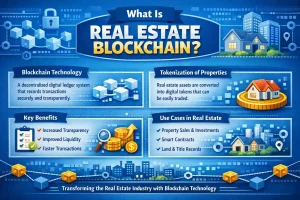
Think of it like this: you take a physical or intangible asset—a skyscraper, a government bond, a barrel of fine wine—and you create a digital twin on a blockchain. This “token” represents a share of ownership or a claim on that asset. Suddenly, what was illiquid, clunky, and locked behind walls becomes divisible, tradable, and transparent. It’s a bit like turning a vast, immovable castle into a pile of Lego bricks that anyone, anywhere, can own a piece of. Let’s dive in.
Why Now? The Perfect Storm for Tokenized Assets
This isn’t just tech for tech’s sake. A few powerful forces have collided. First, there’s mature blockchain infrastructure—it’s simply more reliable now. Then, there’s a real hunger for alternative investments, especially in uncertain economic times. And finally, institutions are finally at the table. Major banks and funds are no longer just watching; they’re building.
The pain point it solves? Massive. Global illiquid assets—real estate, private equity, that sort of thing—are estimated to be worth over $16 trillion. That’s wealth that’s frozen. Tokenization is the thaw.
The Heavyweight: Real Estate Tokenization
Real estate is the classic example, and for good reason. It’s the ultimate illiquid asset. Buying and selling is slow, expensive, and local. Tokenization changes the script.
Imagine a $10 million commercial property. Instead of one owner, you issue 10 million tokens at $1 each. An investor in Tokyo can buy $5,000 worth. A local dentist can buy $500. They’re not buying a cryptic share in a fund; they own a transparent, blockchain-verified piece of the actual asset. Rent gets distributed as crypto dividends automatically. Want out? Sell your tokens on a secondary market—no brokers, no three-month closing.
Beyond Property: The Expanding Universe of RWAs
But the story gets more interesting. The logic of tokenization is spreading like wildfire to other, sometimes surprising, corners of the economy.
- Fine Art & Collectibles: A Basquiat painting can be tokenized, allowing fractional ownership. It democratizes access to a market that was, well, stuffy and exclusive.
- Private Credit & Bonds: Businesses can tokenize debt, raising capital directly from a global pool of investors without the traditional banking gatekeepers. Faster, often cheaper.
- Commodities: Gold, lithium, even wheat. Tokenizing a barrel of oil sitting in a Singapore storage tank makes it as easy to trade as a stock.
- Intellectual Property: Royalty streams from music catalogs or patents can be tokenized, creating new investment vehicles and upfront cash for creators.
The Green Frontier: Carbon Credit Tokenization
This is where it gets really compelling. The voluntary carbon market is, frankly, a mess. It’s opaque, fragmented, and plagued with issues around double-counting and quality. How do you know that credit representing one ton of sequestered CO₂ is real?
Enter tokenization. By putting a carbon credit on a blockchain, its entire lifecycle—issuance, retirement, ownership history—is immutable and public. It can’t be double-sold. Its provenance is crystal clear. This transparency builds trust. And with trust comes liquidity. Companies and individuals can trade these tokenized credits efficiently, funneling capital directly to high-quality conservation or renewable energy projects. It turns a bureaucratic environmental instrument into a sleek, trustworthy financial asset. That’s a game-changer.
Not All Sunshine: The Hurdles on the Path
Okay, so it’s not a utopia yet. There are real bumps in the road. The regulatory landscape is a patchwork quilt—different in every country. What is a security? How are taxes handled? Legal frameworks are scrambling to catch up.
Then there’s the “oracle problem.” The blockchain knows what the token is, but how does it know the real-world asset still exists? Or that the rent was paid? Or that the forest hasn’t burned down? We need trusted data feeds—oracles—to bridge that gap. And finally, there’s the human factor: adoption. Shifting trillion-dollar markets requires changing mindsets, not just code.
| Asset Class | Traditional Model Pain Points | Tokenization Benefits |
| Real Estate | High minimums, illiquid, slow transactions | Fractional ownership, 24/7 markets, automated compliance |
| Carbon Credits | Opaque, illiquid, quality concerns | Transparent provenance, instant settlement, fraud reduction |
| Private Equity | Long lock-up periods, limited access | Enhanced liquidity, broader investor base |
| Commodities | Logistical complexity, storage costs | Direct ownership, simplified trading |
The Bottom Line: A More Accessible, Fluid World
Look, the rise of real-world asset tokenization isn’t about turning everything into a crypto casino. It’s about infrastructure. It’s about building a more efficient, accessible, and transparent financial system. It takes the core idea of ownership—a fundamental human concept—and supercharges it for the digital age.
From letting a teacher own a piece of a downtown loft to ensuring a corporate carbon offset actually does what it says, the implications are profound. The walls around valuable assets are getting lower, brick by digital brick. The next decade won’t be about if this happens, but how we navigate the transition. The castle gates, you could say, are already creaking open.